
Why Shiny Props Steal the Show

Shiny cutlery, crockery, and props give you a run for your money in food photography, often detracting from the main hero (the food) in the shot.
Here are the main reasons why I steer clear of shiny objects:
Reflections and Glare
Distracting Reflections:
Shiny surfaces reflect light sources, the light pings about all over the place. It also reflects the photographer, especially when they are wearing any other colour than black. Lastly it reflects other elements in the environment, such as window panes, lightboxes and the rest of the room. This can alter and ruin the composition.
Unwanted Highlights:
These surfaces can produce big ugly splodges (unwanted highlights) that draw attention away from the food, cover up wording on bottles and make the image look less appealing.

.
Colour Casts
Altered Colours:
Reflective surfaces can pick up and reflect colours from their room or the environment, leading to unwanted colours on the food. If you are photographing white or cream food and you have brighter colours in the image, it can alter the food. Back to ensuring you wear black to photograph, it stops the light not bounces it. Food shown as a different colour looks unnatural and should be avoided.

Complex Lighting Setup
Difficult to Control Light:
Managing reflections requires more complex lighting setups and lots of tips and tricks with the position of the light and use of diffusers to minimise reflections, which can be time-consuming and challenging. I personally switch from a silver reflector to a white reflector to minimise the shine as a starting point.
Inconsistent Results:
Even with careful setup, reflections can be unpredictable and difficult to control, leading to inconsistent results across different shots.

Focus Issues
Attention Diversion:
Shiny props can draw attention away from the main subject (the food) because they can be visually striking. This diversion can make the food less prominent in the photograph.
Visual Clutter:
Reflections and glare can create visual noise, making it harder for viewers to focus on the main subject.

Post-Processing Challenges
Increased Editing Time:
Removing or reducing reflections in post-processing can be tedious and time-consuming, often requiring advanced skills and software tools and if entering a competition, these extra tweaks may not be allowed.
Lack of Texture and Contrast
Flat Appearance:
Shiny surfaces can appear flat and lack the texture and contrast that matt surfaces provide. This can make the image look less dynamic and interesting.
Reduced Detail:
Shiny surfaces can obscure details due to their reflective nature, making it harder to see the intricate textures and details of the props and food.

Solutions!
Matte Surfaces:
Choose matt cutlery or tarnished, old cutlery. Find plates that are not glossy glazed, they need to be unglazed. Use backdrops that don't have any shine or sparkle - you can add these in afterwards, strategically.

Diffusers:
If shiny props must be used, diffuse the light to soften it so that you can reduce the reflections.
Selective Placement:
Carefully place shiny elements away from the area where they will attract the most reflections.

Get help in a can:
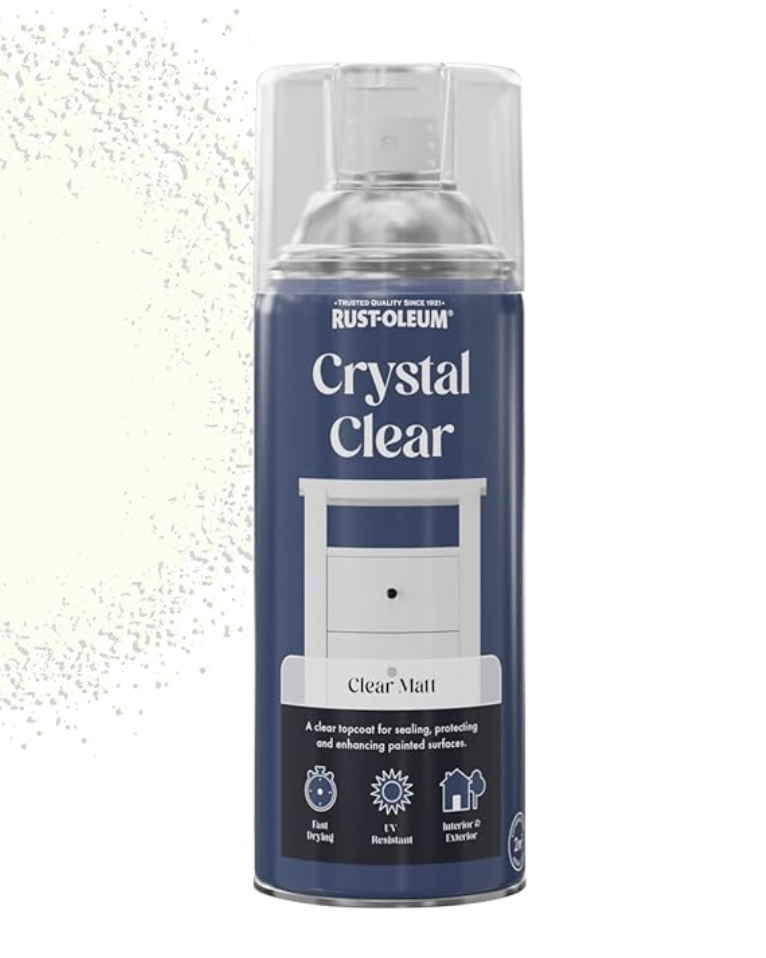
If you have props and surfaces that are just not working, you can use a dulling spray, which works well on shiny surfaces. I have put a link to Amazon to show you the spray.
By understanding and avoiding the issues of shiny cutlery, crockery, and props, photographers can ensure that the focus remains on the food, enhancing its appeal and making it the star of the photograph, thats shines... but not reflects!


Comments