
How Do I Style Food for Food Photography?


The Secret to Beautiful Food Styling
You can have beautiful lighting, the perfect camera settings and an expensive camera, but if the food doesn’t look inviting, the photograph simply won’t work.
Food styling isn’t about making food look perfect.
It’s about making it look like the very best version of itself.
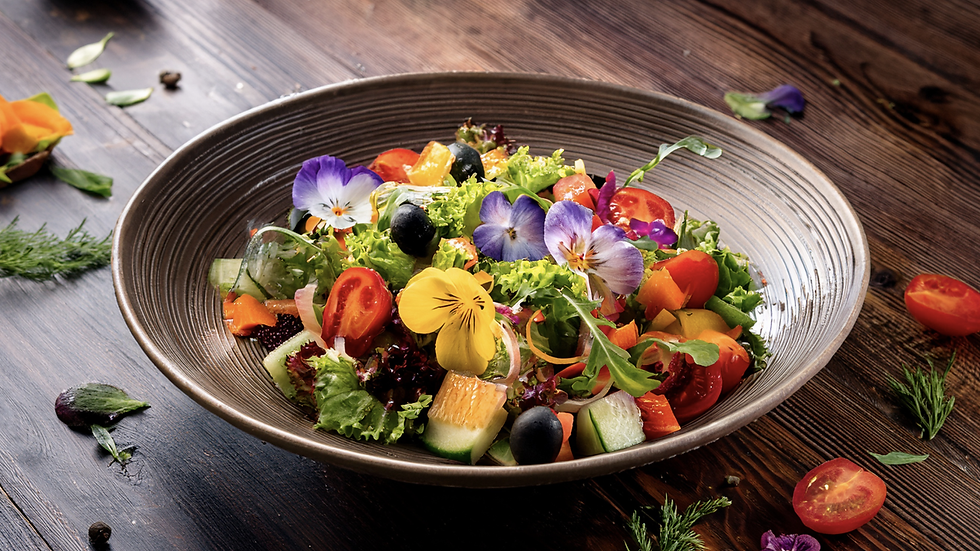
When styling becomes too perfect, people notice.
Everything is perfectly straight.
Every crumb looks carefully placed.
Nothing feels real.
The best food styling feels natural, effortless and believable.
Natural Styling Brings Movement
One of the biggest differences between amateur and professional food styling is movement.
Food doesn’t arrive at the table perfectly symmetrical, so don’t make it look that way in your photographs.
As a rule of thumb, I ask myself three questions.
Can I lift it?
Can I angle it?
Can I create more texture?
If the answer is yes, I usually do.
Twirl pasta rather than leaving it flat.
Swirl yoghurt with the back of a spoon.
Let a drizzle run naturally instead of stopping abruptly.
Lean biscuits against each other rather than laying them flat.
Scatter herbs where they would naturally fall.
These tiny changes create shape, texture and movement.
And movement makes food feel alive.

Build the Scene
Food styling doesn’t stop at the edge of the plate.
Everything around the food should help tell the story.
If you’re photographing cookies, perhaps include baking paper, a cooling rack or a few chocolate chips.
If it’s breakfast, maybe a coffee cup, a folded napkin or strawberries to match the jam.
If it’s a cocktail, perhaps a squeezed lime wedge, scattered ice cubes or a jigger.
Then ask yourself another question.
Does this help tell the story?
If not…
Take it away.
One of the biggest mistakes photographers make is adding props simply because they own them.
Every prop should earn its place on the set.

Texture Makes Food Irresistible
People can’t smell or taste your photograph.
Texture is often what makes them imagine they can.
Smooth chocolate.
Flaky pastry.
Crunchy salt.
Runny caramel.
Crispy breadcrumbs.
Think about how light falls across those textures.
A swirl catches the light better than a flat surface.
Flaky pastry creates tiny highlights.
A dusting of icing sugar gives the eye somewhere to explore.
Styling isn’t just arranging food.
It’s creating texture that people want to reach out and touch.

The Professional Touches
Fresh food always photographs better.
Even the most beautifully cooked meal starts to lose its sparkle surprisingly quickly.
Brush a little oil onto vegetables or meat that have started to dry.
Replace herbs and garnishes regularly.
Keep a small spray bottle of water nearby for salads and fresh produce.
If you’re photographing ice cream, keep a spare scoop waiting in the freezer.
Professional food stylists don’t expect food to stay perfect.
They work around it.

Style With Purpose
Every decision you make should help the food become the hero.
Can you clearly see the main ingredient?
Does the styling support the food rather than distract from it?
Can your eye travel naturally around the photograph before returning to the hero?
Whether you’re photographing for Instagram, a cookbook or a restaurant, the goal is the same.
Make people want to eat it.
If they can’t smell it or taste it…
Can your photograph still make them hungry?

My Food Styling Checklist
Before I press the shutter, I quickly run through these eight questions.
✔ What’s the hero? Is it obvious what you want people to look at first?
✔ Have I built height and shape? Avoid flat food. Create layers, angles and depth.
✔ Is there movement and texture? Think swirls, drizzles, folds, crumbs and natural flow.
✔ Does the food look fresh? Replace tired garnishes, brush on a little oil if needed and refresh salads with a fine mist of water.
✔ Can I clearly see the ingredients? The viewer should instantly understand what makes the dish special.
✔ Can I remove anything? Every prop should earn its place. Less clutter usually creates a stronger image.
✔ Does my eye travel naturally? Your eye should move from the hero, around the supporting details and back again.
✔ Would this photograph make me stop scrolling? If someone couldn’t smell or taste the food, would they still want the first bite?

The Food Photography Show: Ultimate FAQ
How do I style food for food photography? Style the food for the camera, not perfection.
Create movement, texture and shape whilst keeping the food looking fresh and natural.
How do I make food look more appetising in photos? Build texture, show the main ingredients, create natural movement and keep the food looking fresh. Small styling tweaks often make the biggest difference.
Why does my food styling look fake? Usually because everything is too perfect. Add movement, break up straight lines and keep your styling believable.
How do food photographers keep food looking fresh? By working quickly, replacing herbs and garnishes, brushing oil onto dry food and refreshing salads with a light mist of water.
Do food photographers use fake food? Sometimes. Editorial photographers may use substitutes for difficult foods, whilst commercial photographers usually photograph the real product.
How do I make drinks look cold? A mixture of glycerine and water creates realistic condensation droplets that last much longer than real water.
What colours work well in food photography? Complementary colours from the colour wheel help food stand out, whilst similar colours create a softer, more harmonious look.
Should I use shiny cutlery? Matt or vintage cutlery is usually easier to photograph because it creates fewer distracting reflections and keeps the attention on the food.
Whether you’re photographing a slice of homemade cake or creating images for paying clients, great food styling isn’t about making food look perfect. It’s about helping people imagine taking the very first bite. Style with intention, let the food be the hero and everything else will fall into place. Then subscribe to The Food Photography Show for more practical food photography tips and tutorials.


Comments